| School | |
| Setting | Integrated Wizarding world and Muggle society |
| Main Characters | Hermione Granger • Ron Weasley • Neville Longbottom • Ginny Weasley • Harry Potter (supporting) |
| Narrative Focus | Personal lives • Relationships • Social/political issues |
| Magic Integration | Commonplace, multiple magical institutions |
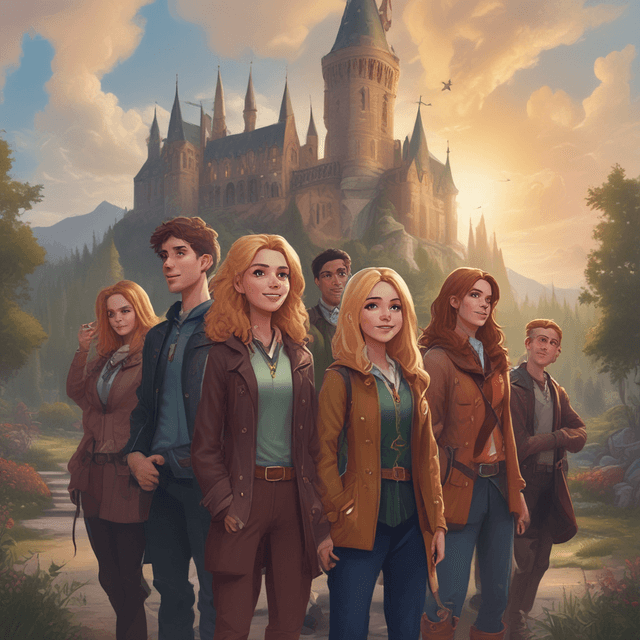
In this alternate timeline, the wizarding world depicted in the Harry Potter stories exists openly alongside the non-magical "Muggle" world, with magic and magical beings integrated into everyday society. While the famous Harry Potter is a supporting character, the primary protagonists are his friends and classmates at Hogwarts School of Witchcraft and Wizardry, including Hermione Granger, Ron Weasley, Neville Longbottom, and Ginny Weasley.
In this timeline, the secrecy and isolation of the wizarding world from Muggle society never occurred. Magic and magical creatures have been woven into the fabric of the non-magical world for centuries, with wizards and witches living and working alongside non-magical people. Hogwarts and other schools of magic are well-known educational institutions, and magical services, businesses, and public offices operate openly.
This integration has led to a greater normalization and acceptance of magic, though there are still occasional tensions and misunderstandings between the magical and non-magical communities. The Ministry of Magic serves as the central governing body overseeing the wizarding world, working in cooperation with various Muggle government agencies.
Rather than focusing on the adventures of the famous Harry Potter as the primary protagonist, this version of the story follows an ensemble cast of young witches and wizards as they navigate their magical education and come of age.
Hermione Granger is a brilliant and driven Muggle-born student who excels academically and advocates for greater integration and equal rights for non-magical people in the wizarding world. Ron Weasley, from a long line of pure-blood wizards, struggles to find his own identity and talents outside of his famous family's shadow. Neville Longbottom is a shy, tentative boy who overcomes his insecurities to blossom into a courageous and skilled young wizard. And Ginny Weasley, the only girl in a large wizarding family, grapples with expectations and societal pressures as she discovers her own magical abilities and inner strength.
At Hogwarts, these protagonists and their classmates navigate the challenges of magical academia, from mastering spellcasting and potion-making to exploring the rich history and complex politics of the wizarding world. Interspersed with the academic storylines are the characters' evolving friendships, romances, and personal growth as they come of age.
Rather than a singular dark threat like Lord Voldemort, the characters face a range of social, political, and ethical issues, from debates over Muggle-wizard relations to the rights of magical creatures. The wizarding community is depicted as complex and diverse, with tensions and inequalities that the young protagonists grapple with in their own ways.
Upon graduating from Hogwarts, the ensemble cast goes on to pursue a variety of magical careers, from Hermione working to reform wizarding laws to Ron opening a popular joke shop. Harry Potter himself, while still a celebrated figure, plays more of a supporting role, often lending his fame and influence to assist his friends' endeavors.
In this alternate timeline, the Harry Potter story forgoes the central, Voldemort-focused conflict that defined the original narrative. Instead, it explores the rich, integrated tapestry of the wizarding world and the coming-of-age journeys of a diverse group of young magical people. The legacy of this version of Harry Potter lies not in a grand, epic battle between good and evil, but in the personal growth, relationships, and societal impact of its ensemble of protagonists as they find their places in the magical and non-magical worlds.
